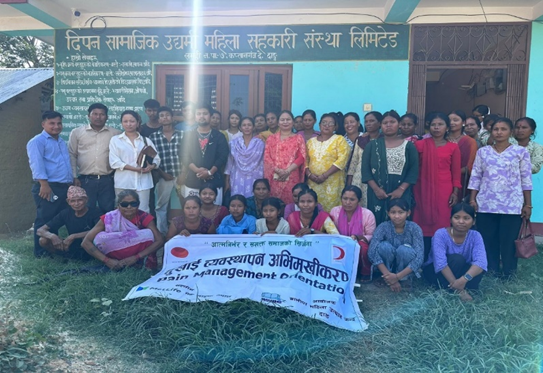
Orientation Program on Pain Management at Banke and Dang.
Please follow & like us :)






3 July, 2026
Summary
Sickle cell anemia is a disease in which red blood cells become shaped like a sickle instead of their normal shape. According to statistics, this disease is found particularly among the Tharu community. It is a hereditary disease. Cases of sickle cell anemia have been reported among the Tharu communities living in the districts of Dang, Banke, Bardiya, Kailali, and Kanchanpur.
To confirm whether a person has sickle cell disease, a blood test is required. However, due to the lack of a hemoglobin electrophoresis machine in district hospitals, insufficient funds to purchase the chemicals needed for testing, and the poor economic condition of affected families, patients in Dang and Banke districts have faced difficulties in obtaining blood tests.
Considering this situation, with the support of MetLife Insurance Nepal, the Rural Women Development Center organized a free health camp for sickle cell anemia screening on Poush 16, 2081 B.S. During the free health camp, services were provided to 621 people, and 77 patients with sickle cell disease were identified.
The government has arranged free treatment worth up to one lakh rupees (100,000 NPR) for people suffering from sickle cell disease. Although government support has provided some relief in treatment, reports indicate that due to a lack of knowledge and awareness about the disease, affected individuals still have to spend significant amounts of money and often lose their lives prematurely.
Orientation Program on Pain Management at Banke.
The Rural Women Development Center, Dang, conducted a one-day orientation program on pain management for people affected by sickle cell disease on Jestha 28, 2083 B.S. (June 11, 2026).
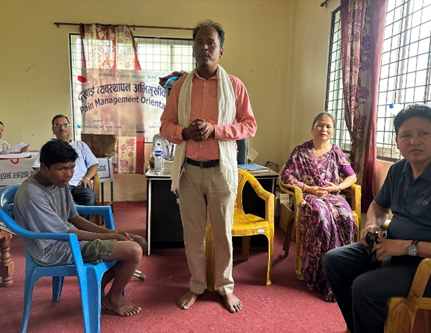
The program was chaired by Aasmani Chaudhary, Chairperson of the Rural Women Development Center, and was inaugurated with Ram Lakhan Tharu, Chairperson of Ward No. 7 of Rapti Sonari Rural Municipality, Banke District, as the chief guest. During the program, sickle cell patients were provided orientation regarding the precautions they should take and their responsibilities in managing pain. The orientation program was facilitated by Manoj Kumar Mishra, In-Charge of the Fattepur Health Post in Rapti Sonari Rural Municipality–7, and Kalu Ram Tharu, a sickle cell focal person. During the program, Health In-Charge Mishra explained that throughout the world, birth and death are natural and unavoidable processes, and since these cannot be prevented, people should focus on diet and lifestyle.
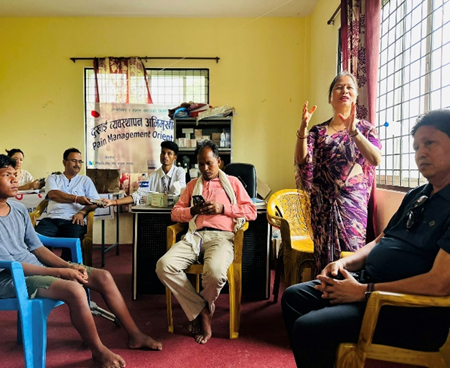
Sickle cell patients should pay special attention to their diet and eating habits in order to reduce pain. It was explained that drinking water helps reduce physical pain. While ordinary people may become satisfied after drinking a certain amount of water, sickle cell patients need to drink more water than others. Participants were advised to take medicines such as Paracetamol or other medications prescribed by doctors, and to go to the hospital immediately if breathing becomes difficult or if the pain becomes severe and not to depend on Dhami-Jhakri(spiritual healer).
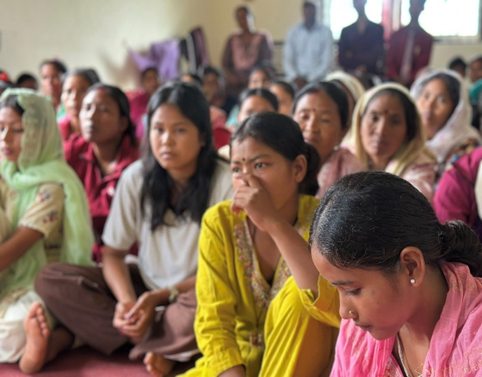
Health In-Charge Mishra informed participants that sickle cell patients may need blood transfusions and oxygen support to ease breathing difficulties, and that they should seek treatment at a hospital whenever such needs arise. Likewise, sickle cell focal person Kalu Ram Tharu explained that sickle cell patients should not consider themselves mentally weak or think that society looks down upon them. He emphasized that although the disease may cause physical challenges, patients should focus on performing physical exercises, think positively through heart and mind. He further explained that due to irregular blood flow through the body, pain increases, which is one of the main symptoms of the disease. Therefore, drinking plenty of water is considered one of the key methods of pain management. During the orientation program, participants asked several questions. Some wanted to know whether symptoms
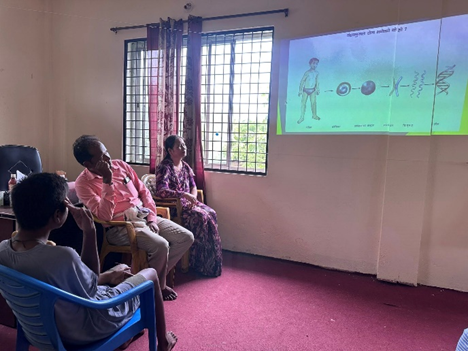
such as cramps during menstruation, headaches, dizziness, thyroid, diabetes experienced by sickle cell patients only require blood transfusions. In response, the facilitators provided appropriate and detailed explanations to address these concerns.
The chief guest of the program, Ram Lakhan Tharu, Chairperson of Ward No. 7 of Rapti Sonari Rural Municipality, stated instead of worrying and becoming a self-proclaimed doctor one should focus on living a healthy life, visiting health-post time and often along with getting married using marriage horoscope can mitigate sickle cell disease. It was explained that, by targeting schools in this area, similar sickle cell screening camps could be organized again in the future. Such initiatives would help gather information about the health conditions of local citizens and students. It was also mentioned that support had been requested to conduct these camps. The speaker noted that although government organizes free health services but also takes money from public on the name of testing for other unnecessary diseases. It was only after organizing the camp that he fully understood the pain and hardships faced by local residents.
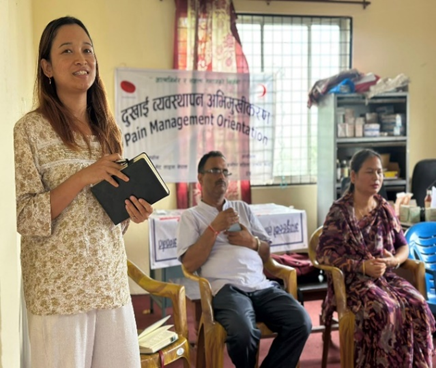
Gratitude was expressed to the organization for coming to Rapti Sonari Rural Municipality of Banke District and providing services to local citizens through activities such as conducting sickle cell awareness and screening camps, Identifying patients, Providing counseling after diagnosis and Offering guidance on pain management and treatment.
Advisor Shogat Bir Chaudhari stated that during the health camp conducted by the organization in Banke, 77 people with sickle cell disease were identified. He explained that the current orientation program was organized to help these individuals manage their pain more effectively. He also informed participants that scholarship programs and other support initiatives for children would be organized in the future.
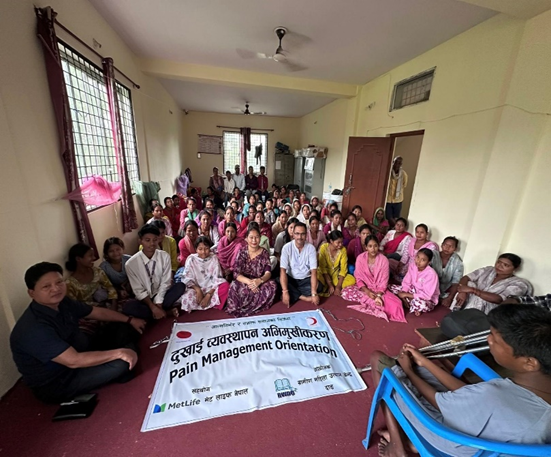
Likewise, Aasmani Chaudhary, Chairperson of the organization further explained that the institution was established with the vision of creating a self-reliant and empowered society. In line with this vision, the organization has been implementing various programs aimed at community development and empowerment. According to her, the institution has been carrying out different activities for the upliftment and strengthening of communities. While working toward the goal of building an equitable society, the organization has placed special emphasis on citizens’ health and well-being. Recognizing the harm caused by a lack of awareness, the organization also conducted the sickle cell camp to increase public awareness about the disease.
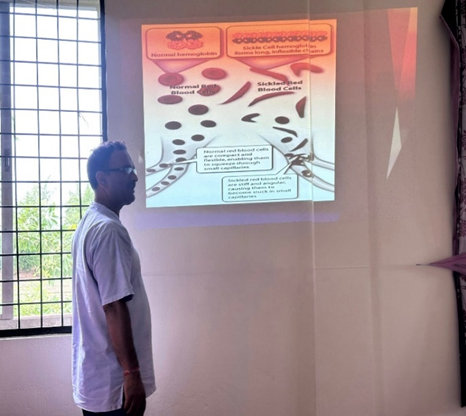
She added that after conducting the camp, it became clear that many of the beneficiaries were children. Since these children are the future contributors and builders of the nation, investing in their health and well-being is an extremely meaningful effort. She encouraged everyone to take initiative in supporting and improving the lives of children.
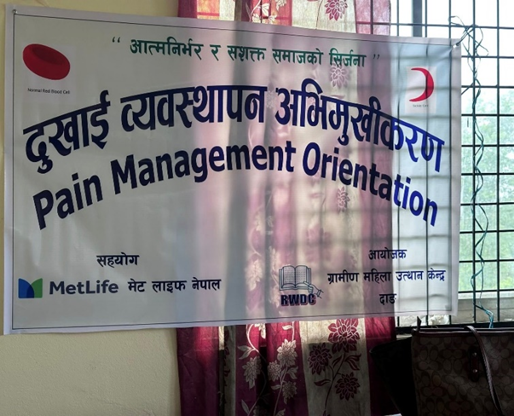
The program began with a welcome address by Asmita Chaudhary, Program Officer of the organization, and was facilitated by Parbati Basnet, Information Officer.
Pain Management Orientation Program at Lamahi.
The Rural Women Development Center (RWDC), with financial support from MetLife Nepal, organized a free Sickle Cell Disease Screening Health Camp on 15 Poush 2081 (December 30, 2024) at the Health Post in Ward No. 8, Lamahi Municipality, Dang District.
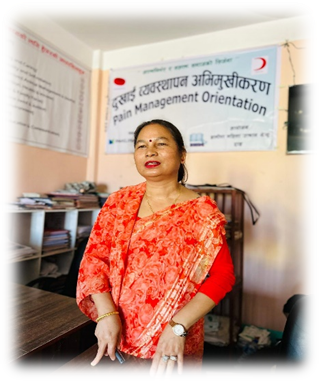
During the one-day health camp, 574 individuals received free screening services, and 78 people were identified as living with sickle cell disease.
Although the Government of Nepal currently provides up to NPR 100,000 worth of free treatment annually for individuals affected by sickle cell disease, many patients continue to incur substantial medical expenses due to limited awareness and inadequate knowledge regarding disease management. Consequently, many patients experience preventable complications and, in some cases, premature death.
The Rural Women Development Center (RWDC), Dang, organized a one-day Pain Management Orientation Program on Ashadh 4, 2083 (June 18, 2026).
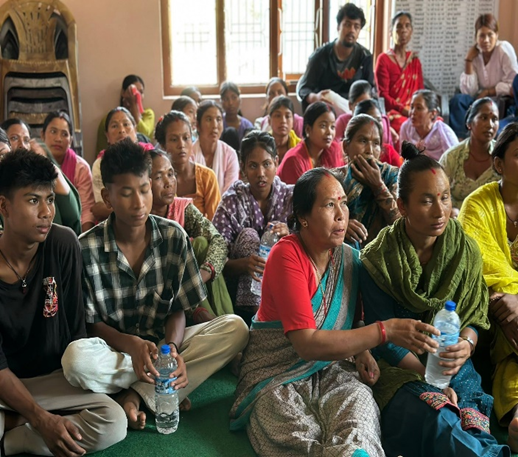
The program was chaired by Aasmani Chaudhary, Chairperson of RWDC, and attended by Poonam Gharti Magar, Chairperson of Deepan Social Entrepreneur Women’s Cooperative Ltd. as the chief guest. The orientation focused on educating participants about effective pain management practices, necessary precautions, and the responsibilities of both patients and caregivers in managing sickle cell disease.
Health Worker Deepak Chaudhary, from Satbariya Health Post, informed participants that while birth and death are inevitable realities of life, individuals living with sickle cell disease can enjoy healthy and productive lives by maintaining proper nutrition, following healthy lifestyle practices, and adhering to medical advice. He encouraged participants to remain positive and not lose hope.
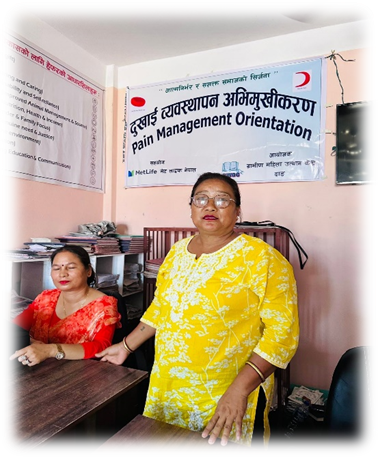
During the orientation, participants received practical guidance on managing pain and preventing complications. Recommendations included:
- Maintaining a healthy and balanced diet.
- Drinking significantly more water than the average person, as adequate hydration helps reduce pain.
- Visiting the nearest health facility whenever pain becomes severe.
- Taking prescribed medications according to the doctor’s advice.
- Seeking immediate medical attention if symptoms worsen.
Participants were also informed that some patients may require blood transfusions or oxygen therapy if complications arise. Health workers emphasized the importance of taking patients promptly to the nearest health center or hospital whenever serious symptoms develop. The orientation concluded with an interactive question-and-answer session, during which participants raised various concerns related to sickle cell disease, including: Pain experienced during menstruation, General weakness and fatigue, Thyroid disorders, Diabetes.Whether blood transfusions are necessary only for patients with these conditions or under other circumstances.
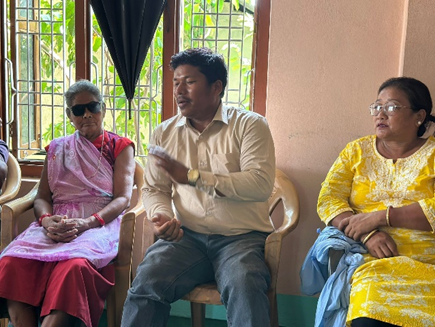
Health workers provided clear, evidence-based responses to each question, helping participants better understand disease management and available treatment options.
Speaking at the program, Poonam Gharti Magar, Chairperson of Deepan Social Entrepreneur Women’s Cooperative Ltd. stated that the orientation had greatly improved her understanding of sickle cell disease. She emphasized that encouraging premarital compatibility testing and genetic screening could help reduce the incidence of sickle cell disease in future generations. She further expressed appreciation to the organizing institution for conducting such an important awareness program and encouraged the Government of Nepal to organize similar initiatives free of cost in rural communities. She also pledged the continued support of the cooperative for future programs.
In her closing address, Aasmani Chaudhary, Chairperson of the Rural Women Development Center, highlighted the organization’s vision of building a self-reliant and empowered society. She explained that RWDC has been implementing various community development and empowerment initiatives aimed at improving the well-being of marginalized communities. She stressed that achieving a prosperous society requires healthy citizens and reaffirmed the organization’s commitment to promoting health awareness, preventing financial hardship caused by illness, and supporting vulnerable populations through education and community outreach.
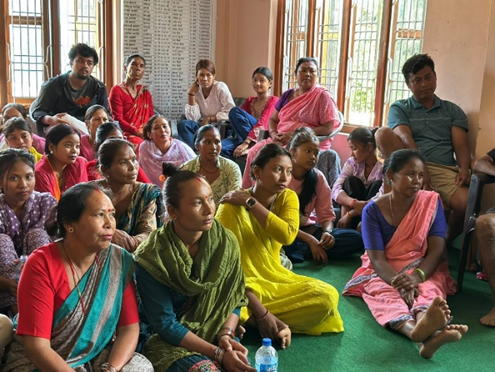
Following the completion of the health camp, she noted that providing services to community members: particularly children, who represent the nation’s future is both a meaningful responsibility and a noble contribution to society. She encouraged everyone to continue supporting such humanitarian initiatives.
The program commenced with a welcome address by Hari Narayan Chaudhary, Market Manager of the cooperative, and was formally moderated by Parbati Basnet, Information Officer.